


01
О курсе
Валюта:
Buy a course
Well:
course title
Speaker and author of the course: senior mechanic, technical superintendent
Temnikov Alexander Sergeevich
Дополнительная информация:
-
Course duration: 3 hours 45 minutes
-
The ability to download the course
-
File weight: 900 MB
Description of the course
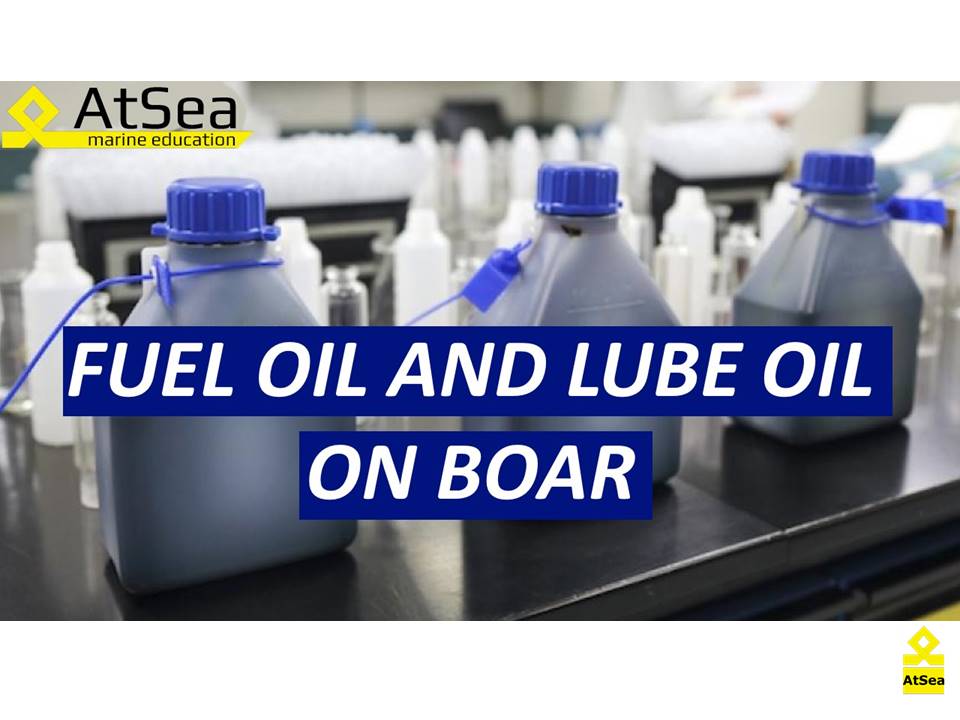
Fuel and oil are the main fluids on the properties and composition of which, the effectiveness and troubleship of the operation of ship engines depends. Ship mechanics are highly qualified engineers who should clearly know and understand all the features and subtleties of parameters characterizing modern fuel varieties. Fuel Oil Specification List and & Nbsp; BDN - Bunker Delivery Note contain a number of parameters such as Viscosity, Density, Micro Carbon, Al + Si, Flash Point, Pour Point & Nbsp; All these are the parameters that have a direct impact on the quality of fuel and as a result on the performance of ship engines. To ensure the proper level of fuel preparation before supplying to engines, ship mechanics should clearly understand all these wisdom. & Nbsp; & nbsp;
The "blood" of the ship's engine is circulation lubricant. Its composition, cleanliness and quality have a direct impact on the performance of ship engines. & Nbsp; Therefore, the ship mechanic should be familiar in detail with the features of the fence, frequency and features of oil analysis. The parameters indicated in the oil analysis report is a direct, clear display of it & nbsp; states and as a result, indirect display of the technical condition of the ship's engine. & nbsp; Understanding and understanding these parameters, & nbsp; A ship mechanic can warn the ship's engine, and not eliminate its consequences.
This course will be interesting:
Senior, second and watchman mechanics
Motorists and cadets
Students and cadets of higher educational institutions
on the course you will analyze:
- Features of bunning and selection of fuel samples on board a modern vessel
- Analysis of the parameters indicated in the passport for ship fuel comparison according to the quality standard ISO 8217
- The influence of individual fuel parameters, such as Cat Fines, Micro Carbon Residue, Sulphur Content on the performance and technical condition of the fuel pumps, CPH, tribuna of the ship's engine.
- Features of the calculation and coordination of the number of accepted fuel on board the vessel, taking into account the Density Correction and Volume Correction + Features of storage and fuel training on board the vessel
- The correct display of the bunkering fact in Oil Record Book and Engine Room Log Book
- The use of lubricating and anti-intelligent additives (Lubricity and Anti-Were Additives) with modern fuel varieties Ulsfo & amp; Vlsfo appeared on the market according to the requirements of IMO 2020.
- Features of the use of lubricating oil on board the vessel. Disassembly of Oil Chart Recommentations
- The frequency and features of taking the oil sample and preparing to send it to the laboratory. Registration of special accompanying documents
- Analysis of oil analysis, such as Appearant, Color, Free Water, Water Content, Viscosity, Flash Point, InsolBites, BN, AN. Analysis of the main reasons for the deviation of oil parameters from the initial values.
- Features of the results of the spectrometric analysis of the oil and the determination of the sources of the origin of such impurities in oil as Na - sodium, aluminum, CA -kalcium, CR -chromes, Cu - copper, Fe - iron, ni - nickel, pb -si, si -Crete, SN -tin
- Features of separation of oil depending on laboratory tests + indications for the replacement of oil in the engine and other ship mechanisms.
- The influence of new types of fuel on the type of oil used in ship engines after the introduction of IMO limits 2020.
- correct display of the fact of oil bunkering in Oil Record Book and Engine Room Log Book.
A brief list of topics in question in the course





Previous
Next
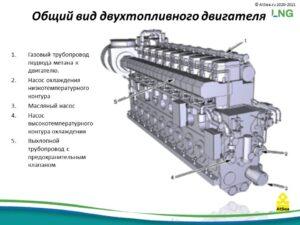
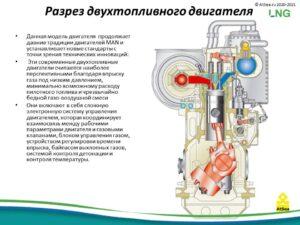
Work with LNG is the highest paid niche in the field of shipping today, so if you have the idea of working in this sector & nbsp; On ships with double -fuel engines for you, this webinar will be “gold”.

The following courses may also be interesting to you.
 ">
">
package of courses No. 1 (74 courses)
by
Alexander Temnikov
 ">
">
fuel il and lube oil on board
by
Alexander Temnikov

oil mist Detector and Speed Governor
by
Alexander Temnikov
 " ">
" ">
Dual Fuel Engines and Lng on Board
by
Alexander Temnikov

composite boilers
by
Alexander Temnikov
Speaker and author of the course: senior mechanic, technical superintendent
Temnikov Alexander Sergeevich
Дополнительная информация:
-
Course duration: 3 hours 45 minutes
-
The ability to download the course
-
File weight: 900 MB
Description of the course
Fuel and oil are the main fluids on the properties and composition of which, the effectiveness and troubleship of the operation of ship engines depends. Ship mechanics are highly qualified engineers who should clearly know and understand all the features and subtleties of parameters characterizing modern fuel varieties. Fuel Oil Specification List and & Nbsp; BDN - Bunker Delivery Note contain a number of parameters such as Viscosity, Density, Micro Carbon, Al + Si, Flash Point, Pour Point & Nbsp; All these are the parameters that have a direct impact on the quality of fuel and as a result on the performance of ship engines. To ensure the proper level of fuel preparation before supplying to engines, ship mechanics should clearly understand all these wisdom. & Nbsp; & nbsp;
The "blood" of the ship's engine is circulation lubricant. Its composition, cleanliness and quality have a direct impact on the performance of ship engines. & Nbsp; Therefore, the ship mechanic should be familiar in detail with the features of the fence, frequency and features of oil analysis. The parameters indicated in the oil analysis report is a direct, clear display of it & nbsp; states and as a result, indirect display of the technical condition of the ship's engine. & nbsp; Understanding and understanding these parameters, & nbsp; A ship mechanic can warn the ship's engine, and not eliminate its consequences.
This course will be interesting:
Senior, second and watchman mechanics
Motorists and cadets
Students and cadets of higher educational institutions
on the course you will analyze:
- Features of bunning and selection of fuel samples on board a modern vessel
- Analysis of the parameters indicated in the passport for ship fuel comparison according to the quality standard ISO 8217
- The influence of individual fuel parameters, such as Cat Fines, Micro Carbon Residue, Sulphur Content on the performance and technical condition of the fuel pumps, CPH, tribuna of the ship's engine.
- Features of the calculation and coordination of the number of accepted fuel on board the vessel, taking into account the Density Correction and Volume Correction + Features of storage and fuel training on board the vessel
- The correct display of the bunkering fact in Oil Record Book and Engine Room Log Book
- The use of lubricating and anti-intelligent additives (Lubricity and Anti-Were Additives) with modern fuel varieties Ulsfo & amp; Vlsfo appeared on the market according to the requirements of IMO 2020.
- Features of the use of lubricating oil on board the vessel. Disassembly of Oil Chart Recommentations
- The frequency and features of taking the oil sample and preparing to send it to the laboratory. Registration of special accompanying documents
- Analysis of oil analysis, such as Appearant, Color, Free Water, Water Content, Viscosity, Flash Point, InsolBites, BN, AN. Analysis of the main reasons for the deviation of oil parameters from the initial values.
- Features of the results of the spectrometric analysis of the oil and the determination of the sources of the origin of such impurities in oil as Na - sodium, aluminum, CA -kalcium, CR -chromes, Cu - copper, Fe - iron, ni - nickel, pb -si, si -Crete, SN -tin
- Features of separation of oil depending on laboratory tests + indications for the replacement of oil in the engine and other ship mechanisms.
- The influence of new types of fuel on the type of oil used in ship engines after the introduction of IMO limits 2020.
- correct display of the fact of oil bunkering in Oil Record Book and Engine Room Log Book.
A brief list of topics in question in the course
Previous
Next
Work with LNG is the highest paid niche in the field of shipping today, so if you have the idea of working in this sector & nbsp; On ships with double -fuel engines for you, this webinar will be “gold”.
The following courses may also be interesting to you.
">
package of courses No. 1 (74 courses)
by
Alexander Temnikov
">
fuel il and lube oil on board
by
Alexander Temnikov
oil mist Detector and Speed Governor
by
Alexander Temnikov
" ">
Dual Fuel Engines and Lng on Board
by
Alexander Temnikov
composite boilers
by
Alexander Temnikov
- Course duration: 3 hours 45 minutes
- The ability to download the course
- File weight: 900 MB
Description of the course
Fuel and oil are the main fluids on the properties and composition of which, the effectiveness and troubleship of the operation of ship engines depends. Ship mechanics are highly qualified engineers who should clearly know and understand all the features and subtleties of parameters characterizing modern fuel varieties. Fuel Oil Specification List and & Nbsp; BDN - Bunker Delivery Note contain a number of parameters such as Viscosity, Density, Micro Carbon, Al + Si, Flash Point, Pour Point & Nbsp; All these are the parameters that have a direct impact on the quality of fuel and as a result on the performance of ship engines. To ensure the proper level of fuel preparation before supplying to engines, ship mechanics should clearly understand all these wisdom. & Nbsp; & nbsp;
The "blood" of the ship's engine is circulation lubricant. Its composition, cleanliness and quality have a direct impact on the performance of ship engines. & Nbsp; Therefore, the ship mechanic should be familiar in detail with the features of the fence, frequency and features of oil analysis. The parameters indicated in the oil analysis report is a direct, clear display of it & nbsp; states and as a result, indirect display of the technical condition of the ship's engine. & nbsp; Understanding and understanding these parameters, & nbsp; A ship mechanic can warn the ship's engine, and not eliminate its consequences.
This course will be interesting:
Senior, second and watchman mechanics
Motorists and cadets
Students and cadets of higher educational institutions
on the course you will analyze:
- Features of bunning and selection of fuel samples on board a modern vessel
- Analysis of the parameters indicated in the passport for ship fuel comparison according to the quality standard ISO 8217
- The influence of individual fuel parameters, such as Cat Fines, Micro Carbon Residue, Sulphur Content on the performance and technical condition of the fuel pumps, CPH, tribuna of the ship's engine.
- Features of the calculation and coordination of the number of accepted fuel on board the vessel, taking into account the Density Correction and Volume Correction + Features of storage and fuel training on board the vessel
- The correct display of the bunkering fact in Oil Record Book and Engine Room Log Book
- The use of lubricating and anti-intelligent additives (Lubricity and Anti-Were Additives) with modern fuel varieties Ulsfo & amp; Vlsfo appeared on the market according to the requirements of IMO 2020.
- Features of the use of lubricating oil on board the vessel. Disassembly of Oil Chart Recommentations
- The frequency and features of taking the oil sample and preparing to send it to the laboratory. Registration of special accompanying documents
- Analysis of oil analysis, such as Appearant, Color, Free Water, Water Content, Viscosity, Flash Point, InsolBites, BN, AN. Analysis of the main reasons for the deviation of oil parameters from the initial values.
- Features of the results of the spectrometric analysis of the oil and the determination of the sources of the origin of such impurities in oil as Na - sodium, aluminum, CA -kalcium, CR -chromes, Cu - copper, Fe - iron, ni - nickel, pb -si, si -Crete, SN -tin
- Features of separation of oil depending on laboratory tests + indications for the replacement of oil in the engine and other ship mechanisms.
- The influence of new types of fuel on the type of oil used in ship engines after the introduction of IMO limits 2020.
- correct display of the fact of oil bunkering in Oil Record Book and Engine Room Log Book.
A brief list of topics in question in the course
Previous
Next
Work with LNG is the highest paid niche in the field of shipping today, so if you have the idea of working in this sector & nbsp; On ships with double -fuel engines for you, this webinar will be “gold”.
The following courses may also be interesting to you.
">
package of courses No. 1 (74 courses)
by
Alexander Temnikov
">
fuel il and lube oil on board
by
Alexander Temnikov
oil mist Detector and Speed Governor
by
Alexander Temnikov
" ">
Dual Fuel Engines and Lng on Board
by
Alexander Temnikov
composite boilers
by
Alexander Temnikov
">
package of courses No. 1 (74 courses)
by
Alexander Temnikov
">
fuel il and lube oil on board
by
Alexander Temnikov
oil mist Detector and Speed Governor
by
Alexander Temnikov
" ">
Dual Fuel Engines and Lng on Board
by
Alexander Temnikov
composite boilers
by
Alexander Temnikov
" ">
Dual Fuel Engines and Lng on Board
by Alexander Temnikov